Short answer: हाँ, possible है, लेकिन सिर्फ तब जब image accurate, realistic हो और Amazon के normal listing-image rules को satisfy करती रहे।
यही distinction सबसे important है। Amazon की public image guidance इस बात पर फोकस करती है कि image क्या दिखाती है, न कि workflow में कहीं AI use हुआ या नहीं। दूसरे शब्दों में, main question यह नहीं है कि "AI involved था या नहीं?" Main question यह है कि "क्या image उस product को accurately represent करती है जो sell हो रहा है, और क्या यह Amazon के main-image standards follow करती है?"
इसीलिए AI Amazon workflow में useful हो सकता है, लेकिन careless use पर बहुत जल्दी problem भी बन सकता है।
अगर आपको पहले underlying main-image rules समझने हैं, तो Amazon Main Image Requirements से शुरू करें। यह article मानकर चलता है कि आप वो basics पहले ही समझ चुके हैं।
Amazon पर AI के बारे में सोचने का safer तरीका
Abstract तरीके से यह पूछने के बजाय कि AI allowed है या नहीं, एक practical सवाल पूछिए:
क्या shopper को वही physical product मिलेगा जो image में दिख रहा है, उसी shape, finish, features, और included components के साथ?
अगर जवाब हाँ है, तो risk कम है।
अगर जवाब नहीं है, या "लगभग" है, तो risk तेज़ी से बढ़ता है।
Amazon की public image guidance बार-बार इस बात पर ज़ोर देती है कि images sale के लिए मौजूद product को accurately represent करें। आपने कौन सा tool use किया, उससे ज़्यादा यह principle matter करता है।
Amazon workflow में AI कहाँ सबसे अच्छी तरह fit होता है
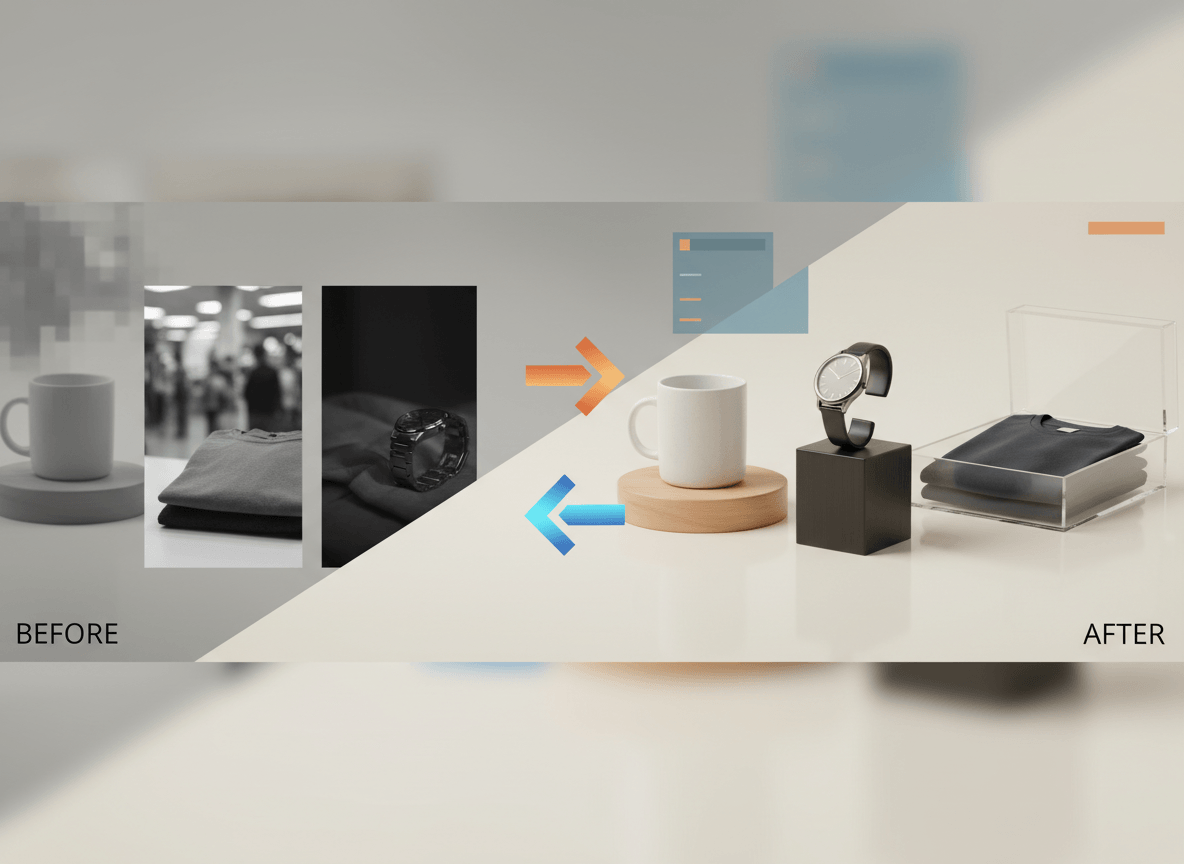
AI आम तौर पर सबसे low-risk तब होता है जब वह real product image को improve करता है, बजाय scratch से कोई image invent करने के।
Lower-risk use cases में शामिल हैं:
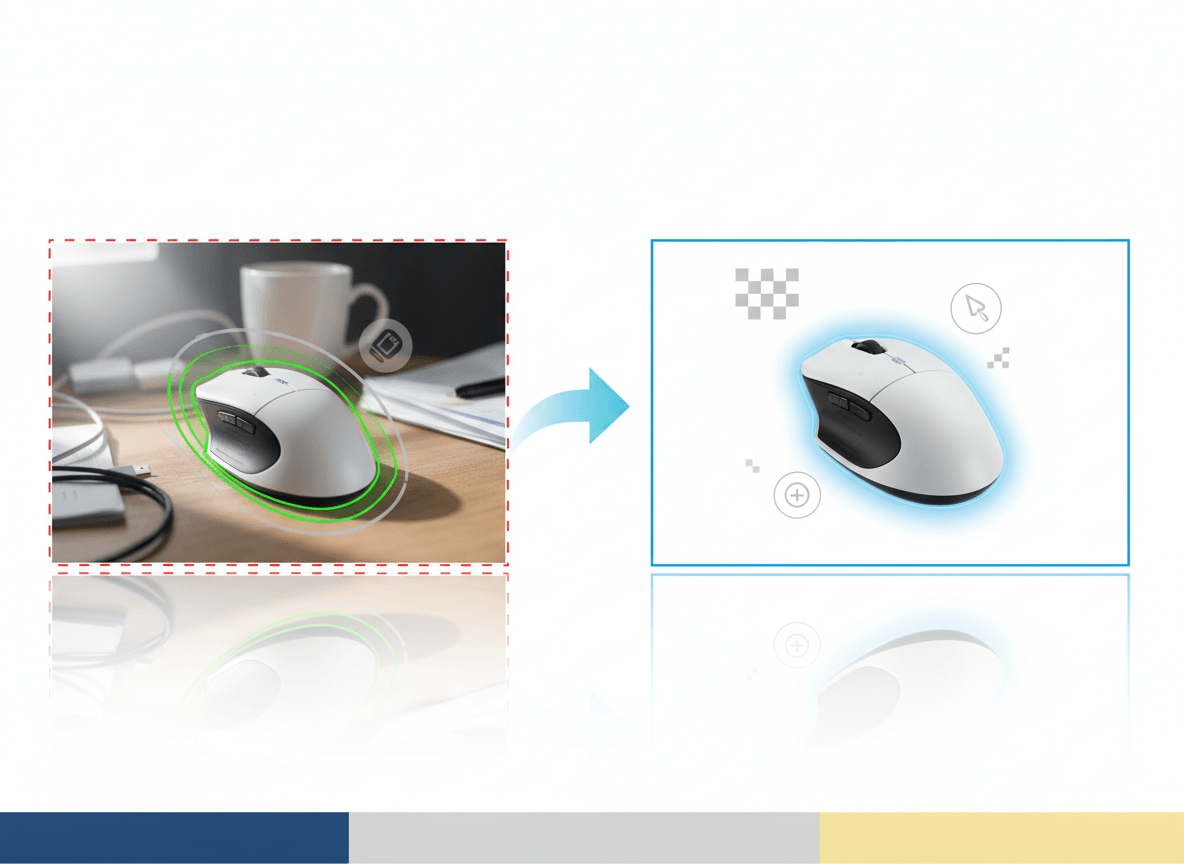
- background remove या clean करना
- पूरे catalog में lighting standardize करना
- crop और centering issues ठीक करना
- real product reference के आधार पर secondary lifestyle images बनाना
- ऐसी alternate support images generate करना जो actual item के प्रति faithful रहें
इन मामलों में AI real product data के ऊपर efficiency layer की तरह काम करता है।
AI कहाँ risky हो जाता है
AI तब risky हो जाता है जब वह presentation नहीं, product बदलने लगता है।
यह आम तौर पर पाँच situations में होता है:
1. AI visible details बदल देता है
Buttons shift हो जाते हैं। Openings गायब हो जाती हैं। Textures ऐसी sharpen हो जाती हैं जो वास्तव में हैं ही नहीं। Matte finish glossy दिखने लगती है। इतने छोटे changes भी image और product के बीच mismatch बना सकते हैं।
2. Color drift होने लगता है
Amazon पर color accuracy matter करती है, खासकर apparel, beauty, home goods, और multi-finish products में। अगर AI charcoal को true black बना दे या beige को warm cream, तो attractive image के बावजूद returns का risk बढ़ जाता है।
3. Main image बहुत synthetic लगने लगती है
Main image को clean product image की तरह दिखना चाहिए, concept rendering की तरह नहीं। Composition technically compliant होने पर भी obviously synthetic hero image shopper trust को hurt कर सकती है।
4. Image ऐसे included items imply करती है जो शामिल नहीं हैं
यह normal Amazon image problem भी है, लेकिन AI इसे accidentally बढ़ा सकता है। अगर model product के आसपास accessories, packaging, stands, या decorative elements add कर दे, तो image misleading हो सकती है।
5. आप proof-of-product workflows के लिए AI use करते हैं
Listing creative और proof-of-product documentation एक जैसी चीज़ें नहीं हैं। अगर कभी Amazon real physical product या branded packaging का evidence माँगे, तो clear, unaltered photos use करें। उस काम के लिए mockups या synthetic images पर depend न करें।
Best practice: real product reference से शुरू करें
सबसे safe Amazon workflow यह है:
- पहले real product को photograph करें
- उसी image को visual source of truth रखें
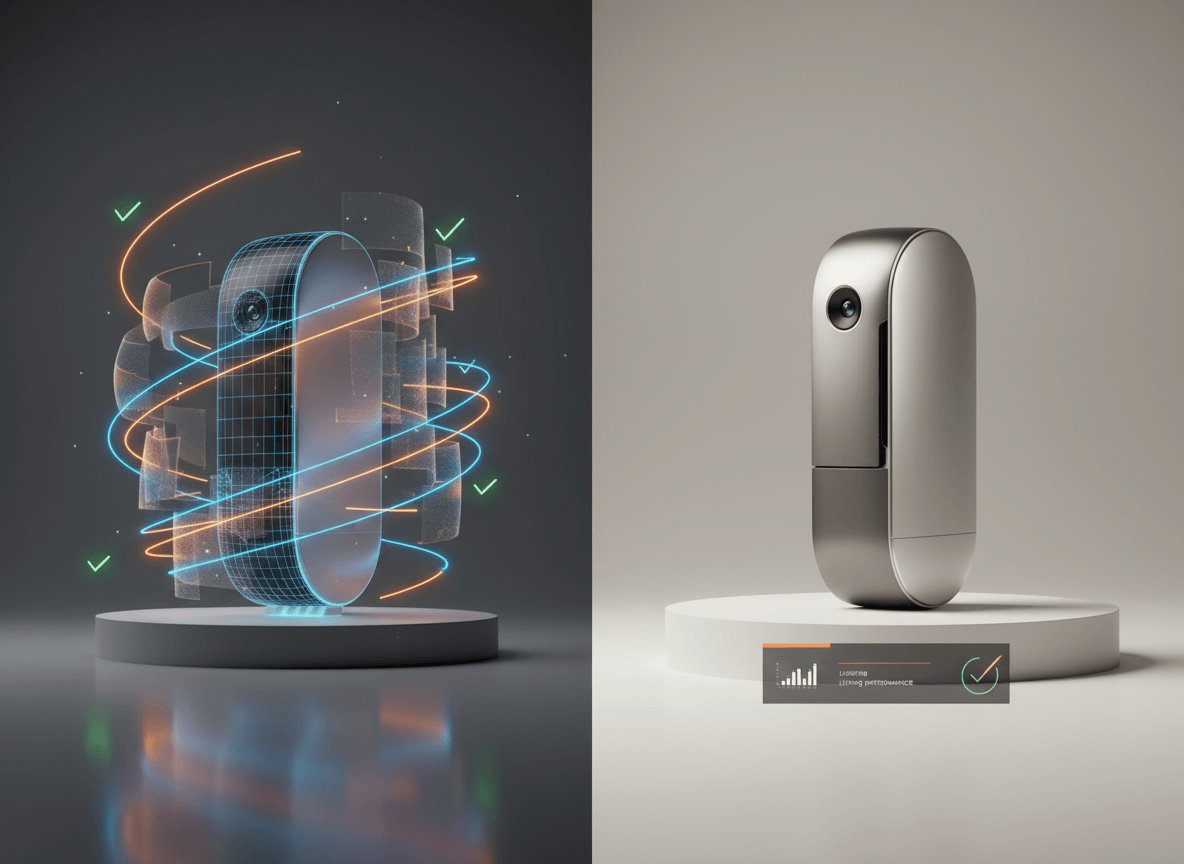
- AI को carefully cleanup, consistency, और secondary-image production के लिए use करें
- upload से पहले final result को physical item से compare करें
यह hybrid approach आपको AI की efficiency देती है, लेकिन avoidable accuracy problems कम करती है।
क्या main image के लिए AI use करना चाहिए?
ज़्यादातर sellers के लिए safest answer यह है:
- main slot में straightforward, highly accurate image use करें
- AI को secondary slots में ज़्यादा freely use करें, जहाँ context, styling, या polished variations दिखानी हों
इसका मतलब यह नहीं कि main image हर बार traditional studio photo से ही आनी चाहिए। इसका मतलब सिर्फ इतना है कि main image पूरे set की सबसे literal image होनी चाहिए।
अगर आपका AI workflow ऐसा result देता है जो clean product photo से visually अलग न लगे और real item के प्रति पूरी तरह faithful हो, तो वह काम कर सकता है। लेकिन अगर ज़रा भी doubt हो, तो hero image को simplify करें और creative experimentation gallery में बाद में ले जाएँ।
किन categories में आपको ज़्यादा conservative होना चाहिए
AI-generated या heavily AI-edited imagery के साथ extra care रखें अगर आप बेचते हैं:
- fine detail वाले products, जैसे jewelry या textured materials
- reflective surfaces वाले products
- regulated categories
- premium या luxury products जहाँ shoppers photographic realism expect करते हैं
- ऐसे products जिनमें कई visible functional details, ports, switches, measurements, या included components हों
इन categories में छोटी inaccuracies भी ज़्यादा obvious और costly होती हैं।
Upload से पहले simple QA process
Amazon पर किसी भी AI-assisted image को live करने से पहले ये questions check करें:
- क्या यह exactly वही variant दिखाती है जो sell हो रही है?
- क्या यह shape, finish, और visible details में real product से match करती है?
- क्या main image अभी भी Amazon के white-background और no-overlay rules follow करती है?
- क्या कोई skeptical shopper इसे misleading कहेगा?
- क्या जरूरत पड़ने पर आपके पास original source image उपलब्ध है?
अगर इनमें से किसी एक answer में भी shakiness है, तो image revise करें।
अगर pushback मिले तो क्या करें
अगर team के अंदर, marketplace workflow में, या shoppers के response में image पर objection आता है:
- main image को सबसे literal version से replace करें
- image को actual product से compare करें
- hero slot से AI-added context, props, या styling हटाएँ
- more creative AI usage को सिर्फ secondary images तक सीमित रखें
Amazon पर fastest fix अक्सर "ज़्यादा editing" नहीं, बल्कि "कम interpretation" होता है।
संबंधित लेख
- Amazon Main Image Requirements
- Marketplace Product Image Checklist for Amazon, Shopify, Etsy, and eBay
- Amazon प्रोडक्ट इमेज जनरेटर
निष्कर्ष
AI Amazon sellers को तेज़ी से काम करने में मदद कर सकता है, खासकर cleanup, standardization, और secondary-image production में। लेकिन safest rule बहुत simple है: AI से product presentation improve करें, product truth invent न करें।
अगर image accurate, realistic, और Amazon के normal image standards के भीतर है, तो AI workable listing workflow का हिस्सा बन सकता है। अगर image real product से drift करती है, तो polished दिखने के बावजूद workflow useful नहीं रह जाता।
अगर आप ऐसा AI workflow चाहते हैं जो generic image generation के बजाय marketplace realism के लिए बना हो, तो Sellshot ठीक उसी use case के लिए design किया गया है: मुफ़्त ट्रायल शुरू करें ->