ज़्यादातर ecommerce teams के लिए असली सवाल अब "AI या traditional photography?" नहीं है। सही सवाल यह है: "Workflow के कौन से हिस्से photographic रहने चाहिए, और कौन से हिस्से AI से accelerate किए जा सकते हैं?"
यह framing बेहतर है, क्योंकि दोनों approaches हर situation में direct substitutes नहीं हैं। दोनों अलग problems को अच्छी तरह solve करती हैं।
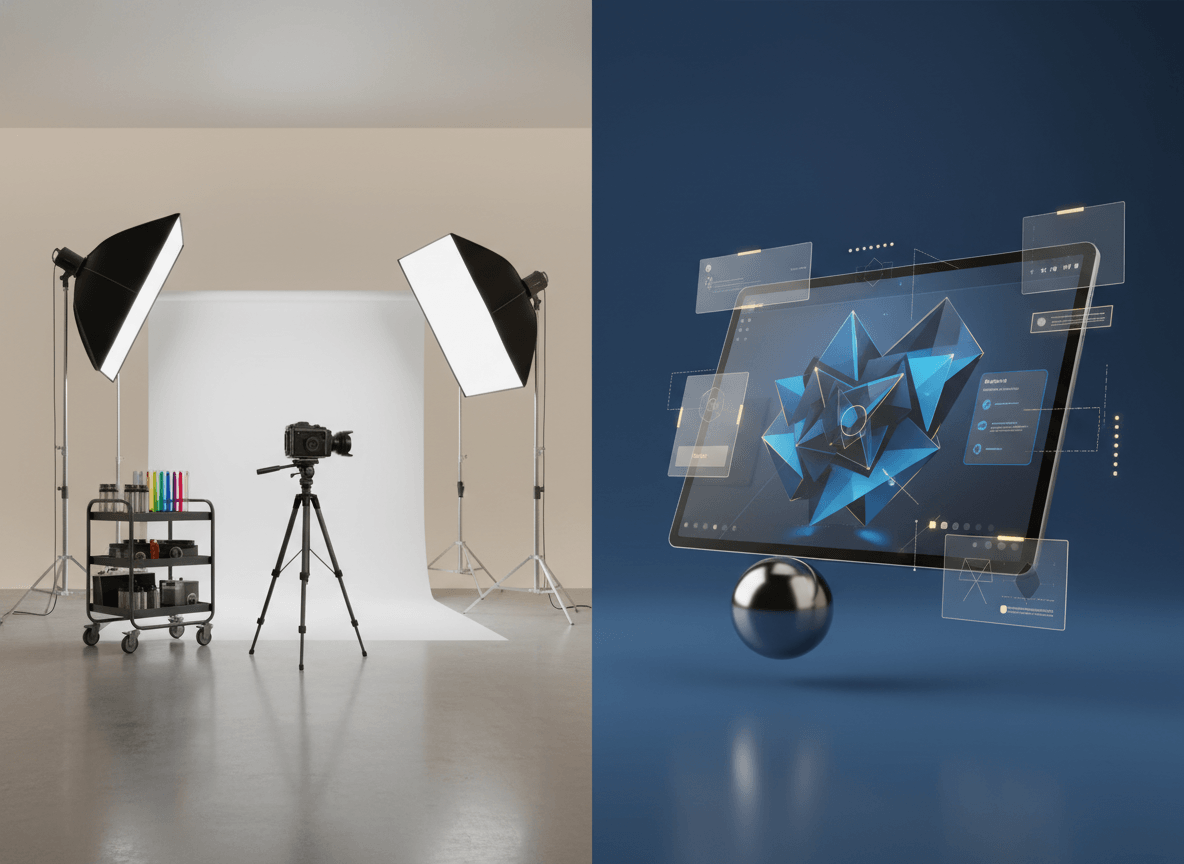
Traditional photography अभी भी highest degree की physical realism और on-set creative control देती है। AI आपको speed, lower marginal cost, easier variations, और scale पर बहुत stronger catalog consistency देता है।
सही choice इस बात पर depend करती है कि आपको किस तरह की image चाहिए।
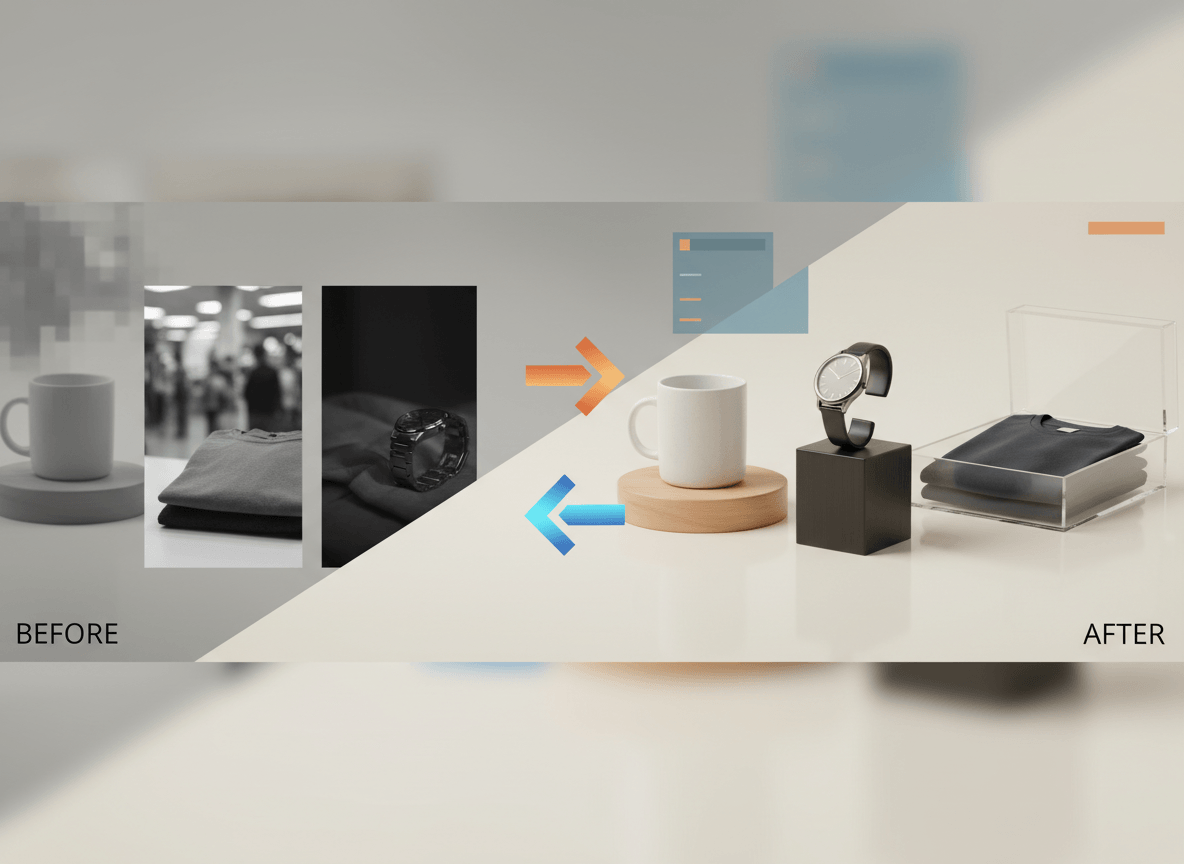
अगर आपका real bottleneck नई creative production नहीं, बल्कि catalog cleanup है, तो How to Improve Ecommerce Product Images Without Reshooting Everything पढ़ें। यह article उसके साथ अच्छी तरह complement करता है।
Traditional photography अभी भी कहाँ जीतती है
Traditional photography तब सबसे strong रहती है जब image को physically precise या emotionally premium feel देना हो।
यह आम तौर पर इन cases में आता है:
- hero campaign visuals
- luxury products
- highly reflective surfaces
- complex textures और materials
- ऐसे products जिन्हें very specific model posing या styling चाहिए
- launch assets जो ads, press, और brand pages में reuse होंगी
वहाँ यह क्यों जीतती है:
- हर lighting decision पर आपका control होता है
- आप real object को directly capture करते हैं
- fine detail drift होने की संभावना कम होती है
- जब authenticity brand के लिए central हो, result ज़्यादा trustworthy लगता है
अगर एक image को brand को उसके absolute best पर represent करना है, तो traditional photography अभी भी beat करना मुश्किल है।
AI product photography कहाँ जीतती है
AI आम तौर पर वहाँ strongest होती है जहाँ scale और repeatability on-set craft से ज़्यादा important हैं।
इसका मतलब अक्सर यह होता है:
- catalog images को clean up करना
- कई SKUs में lighting standardize करना
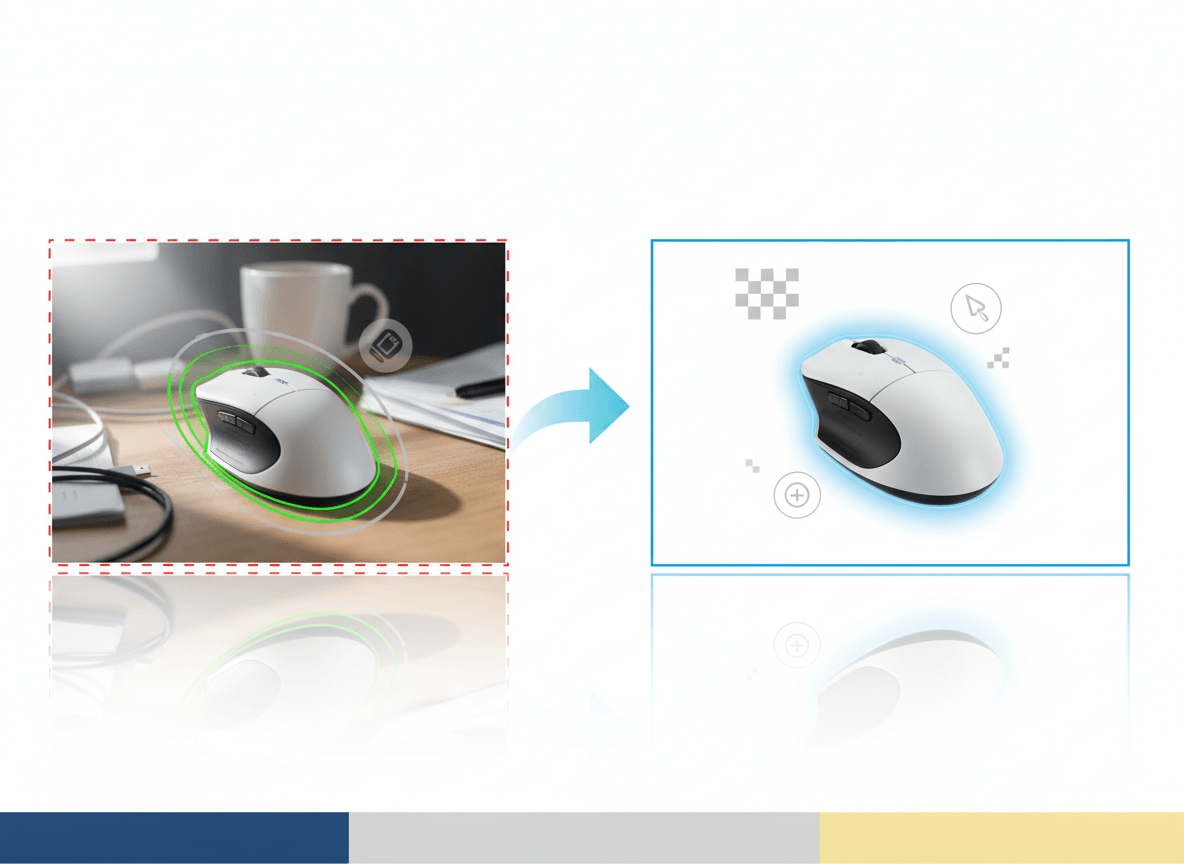
- white-background listing images generate करना
- fast background variations बनाना
- marketplaces और ecommerce PDPs के लिए secondary creative तैयार करना
- नई shoot organize किए बिना बड़े catalogs update करना
वहाँ यह क्यों जीतती है:
- turnaround बहुत faster होता है
- per-image cost आमतौर पर कम होती है
- consistency maintain करना आसान होता है
- बिना पूरी shoot दोबारा बनाए variations निकाली जा सकती हैं
Operational ecommerce imagery में ये advantages बहुत जल्दी compound होती हैं।
Cost: fixed production vs flexible output
Traditional photography की cost structure भारी होती है।
आप किसी combination के लिए pay कर रहे होते हैं:
- photographer time
- studio या location
- lighting और styling
- props या models
- retouching
- brief बदलने पर reshoots
Hero assets के लिए यह सही investment हो सकता है। लेकिन routine catalog output और frequent updates में यह expensive होने लगता है।
AI workflows economics बदल देते हैं:
- lower upfront production cost
- variations के लिए lower marginal cost
- कम coordination overhead
- background, crop, या look बदलने पर faster iteration
इसीलिए AI आम तौर पर high-volume product imagery में ज़्यादा financial sense बनाती है, जबकि traditional photography high-stakes flagship creative में।
Speed: सबसे बड़ा operational difference
Traditional shoots calendar time पर चलती हैं। Planning, sample availability, scheduling, capture, selection, और post-production सब चाहिए।
AI workflows processing time पर चलती हैं। एक clean source image या repeatable setup मिल जाए, तो आप बहुत तेज़ी से कई usable outputs बना सकते हैं।
यह खास तौर पर तब matter करता है जब:
- नई seasonal collection जल्दी live करनी हो
- marketplace image reject हो गई हो और fast replacement चाहिए
- catalog team की reshoot capacity से तेज़ बढ़ गई हो
- आपको same base image से localized या campaign-specific variants चाहिए
अगर business bottleneck speed है, तो AI अक्सर better operational tool है।
Consistency: AI का underrated advantage
Consistency वह जगह है जहाँ day-to-day ecommerce work में AI अक्सर traditional photography को पीछे छोड़ देती है।
Multiple days, different photographers, या mixed supplier sources से बना catalog visible inconsistencies develop कर लेता है:
- अलग white balance
- थोड़ा अलग camera height
- inconsistent shadows
- बदलते crop styles
- अलग contrast या retouching levels
यह visual drift store को कम professional महसूस कराती है।
AI-assisted workflows useful इसलिए हैं क्योंकि वे इन differences को normalize करने में मदद करती हैं। जब पूरे set पर एक ही visual rules apply होते हैं, तो catalog disconnected photos के ढेर की तरह नहीं, एक coherent brand system की तरह लगने लगती है।
Quality: बहुत से कामों के लिए strong, हर काम के लिए नहीं
यहीं teams को honest होना पड़ता है।
AI excellent ecommerce imagery produce कर सकती है, खासकर जब:
- source image strong हो
- product shape simple हो
- desired output listing image, clean packshot, या controlled variation हो
- publish से पहले team real QA करे
लेकिन fast होने से AI automatically superior नहीं हो जाती। वह अभी भी introduce कर सकती है:
- inaccurate details
- over-cleaned textures
- unrealistic reflections
- color drift
- awkward human hands, models, या scale cues
इसलिए practical rule यह है:
- speed और scale के लिए AI पर भरोसा करें
- precision और physical realism के लिए traditional photography पर भरोसा करें
ज़्यादातर brands के लिए best answer: hybrid
ज़्यादातर ecommerce businesses के लिए best answer हमेशा एक approach चुनना नहीं है। Best answer है, दोनों methods को वहीं use करना जहाँ उनकी advantage सबसे clear है।
एक strong hybrid model आम तौर पर ऐसा दिखता है:
- Hero assets, campaign launches, और realism-critical products के लिए traditional photography use करें
- Listing-ready images, catalog variations, white-background versions, और speed-oriented secondary assets के लिए AI use करें
- एक approved visual standard रखें ताकि final outputs फिर भी same brand की लगें
यह approach उस जगह quality high रखती है जहाँ सबसे ज़्यादा matter करती है, और बाक़ी workflow को efficient बनाए रखती है।
Simple decision framework
Traditional photography पहले चुनें जब:
- product expensive या visually complex हो
- shoot brand-defining हो
- image unmistakably premium feel करनी चाहिए
- human styling या exact art direction matter करती हो
AI पहले चुनें जब:
- आपको बड़ा catalog standardize करना हो
- same product से बहुत variations चाहिए हों
- team को on-set control से ज़्यादा speed चाहिए हो
- budget repeated shoots justify न करता हो
- image मुख्यतः ecommerce listings, grids, या support visuals के लिए हो
Hybrid चुनें जब:
- clean main image के साथ multiple supporting variants भी चाहिए हों
- आपके पास decent source photos हों लेकिन scale पर better output चाहिए हो
- brand consistency चाहिए, बिना सब कुछ reshoot किए
संबंधित लेख
- How to Improve Ecommerce Product Images Without Reshooting Everything
- How to Create White Background Product Images Without Photoshop
- AI प्रोडक्ट फोटोग्राफी
निष्कर्ष
Traditional photography अभी भी hero-level realism और controlled brand storytelling के लिए premium tool है। AI product photography speed, scale, consistency, और catalog efficiency के लिए बेहतर operational tool है।
इसीलिए ज़्यादातर ecommerce teams के लिए winning strategy either-or नहीं है। असली तस्वीर वहाँ रखें जहाँ authenticity सबसे ज़्यादा matter करती है, और बाकी workflow को AI से accelerate करें बिना product truth compromise किए।
अगर आप AI side को generic image generation की दिशा में drift नहीं होने देना चाहते और उसे real ecommerce workflows में useful रखना चाहते हैं, तो Sellshot catalog, listing, और marketplace use cases के लिए बनाया गया है: मुफ़्त ट्रायल शुरू करें ->